By Jean Baptiste Ndabananiye
“For two decades, Rwanda has demonstrated its commitment to tackling plastic pollution through bold national policies and regional leadership. We are now taking these home-grown innovations to the world,” said Dr. Valentine Uwamariya— Minister of Environment in Rwanda, according to REMA—Rwanda Environment Authority in its 25/11/2024 article headlined “Rwanda calls for ambitious global treaty to end plastic pollution”.
She added “At INC-5, we call on the global community to unite behind an ambitious and enforceable treaty that delivers a future free from plastic pollution.” This article, designed to basically address requirements to be fulfilled for this call to materialize, first focuses on the first three sections while this article—The challenge of a binding plastic pollution treaty: can consensus be reached?— addresses the last two ones:
- Further details on the treaty and the call
- Do plastics constitute an urgent problem? Danger of plastics. Africa“disproportionately”affected.
- Why Rwanda among nations exhorting the world to embrace the treaty?
- Where does the issue lie?
- Requirements for global action— steps to fulfill the call for a binding global treaty to end plastic pollution
Further details on the treaty and the call
Rwanda does not stand alone in this call. “The treaty was due to be finalized by the fifth and final session, in Busan, South Korea, at the end of November 2024 [INC-5]. So far, perhaps unsurprisingly, negotiations have been polarized.
At the time of writing, the draft of the treaty includes two options as to its overall goal: the first, more ambitious, aims to ‘end plastic pollution’; the second, on the other hand, aims to ‘protect human health and the environment from plastic pollution,’ reports Wired in its 14 December 2024 article titled “Creating a Global Package to Solve the Problem of Plastics”, before adding “A UN treaty could be the beginning of the end of for single-use plastic production—but victory over this pollutant isn’t yet in the bag.”
Wired is a bi-monthly American magazine that explores how emerging technologies influence culture, economy, and politics. With its February 26, 2025 story “Not known for political coverage, Wired takes a leading role in tracking Elon Musk’s team”, Associated Press explains that Wired is rising. “Wired gained 62,500 new subscribers in the United States during the first two weeks of February alone. Last year it reported a total of 19.5 million subscribers, either digital or for the monthly printed magazine, or both. Its eight global editions reach 57 million total.”
Wired figures among media organizations with powerful subscriber counts in the world. Netflix said to be a leader in the media scene approximately boasted 260 million subscribers globally as of 2023. The New York Times boasted 10.8 million digital subscribers as of February 2025.
This rising media house points out “The first option is defended by a group of countries which are part of the High Ambition Coalition to End Plastic Pollution, led by the Nordics but also including countries like Rwanda and Peru. Option two is preferred by major oil producers like Saudi Arabia, who want to steer the focus of the discussions toward plastic recycling and waste management, rather than its production.
In August 2024, the United States, also a major plastic and oil producer, announced a surprising policy shift by now committing to support limits on plastic production as well. Given how influential the Americans are, this new position will affect the treaty.”
Nordic countries are a group of countries in northern Europe consisting of Denmark, Finland, Sweden, and Norway, among others. Life In Humanity has attempted to look for a credible institution providing the definition of ‘ending plastic pollution’, but we have not been able to find any organization exactly furnishing the definition. However, we have come across some institutions addressing plastic pollution in a way helping us to obtain a general picture of this concept.
“To end plastic waste, we must transition into a circular economy for plastic. We need to move away from the traditional take-make-dispose model and strive to keep plastic in use for as long as possible,” says Alliance to End Plastic Waste, an organization with a purpose to end plastic waste entering the environment and to create circular systems keeping materials and products in use for as long as possible.
The piece of writing “Towards Ending Plastic Pollution by 2040/15 Global Policy Interventions for Systems Change” was commissioned by the Nordic Council of Ministers for the Environment and Climate and produced by Systemiq. The latter one says that it drives the Paris Agreement and the Sustainable Development Goals by transforming markets and business models in five key systems. Those include nature and food, circularity, energy, urban areas and sustainable finance.
The report underlines a set of 15 far-reaching policy interventions towards ending plastic pollution by 2040. It reads “If universally adopted and supported by comprehensive globally binding rules in the upcoming international instrument on ending plastic pollution, these could cut annual mismanaged plastic volumes by 90% and annual virgin plastic production by 30% by 2040 relative to 2019 levels. Yet, the report highlights that more ambitious efforts are needed to align with the Paris Climate Agreement and holistically address plastic pollution.”
“The Global Rules Scenario would reduce plastic volumes in the system; eliminate avoidable single-use plastic applications; expand circularity via safe reuse, recycling and durability; and facilitate the controlled disposal of waste that cannot be prevented or recycled.”
Virgin plastic production refers to the manufacturing of new plastics from raw materials such as crude oil, natural gas, or bio-based sources, rather than using recycled plastics. This process involves extracting and refining these raw materials to create plastic resins that have never been used or processed before.
The Global Rules Scenario signifies this proposed framework of globally binding policies and regulations aimed at significantly reducing plastic pollution. This scenario envisions a coordinated international effort to (1) reduce overall plastic production and consumption, particularly by eliminating unnecessary single-use plastics, (2) promote circular economy practices such as safe reuse, recycling, and designing more durable plastic products, (3) ensure responsible waste management, including controlled disposal of plastic waste that cannot be avoided or recycled.
In light of this, Life In Humanity understands that ending plastic pollution means eliminating the release of plastic waste into the environment by reducing plastic production, improving waste management, and promoting sustainable alternatives. It thus involves global cooperation to phase out single-use plastics, enhance recycling efficiency, and prevent plastics from harming ecosystems and human health.
We additionally fathom that the passage— pointing out that the major oil-producing countries prefer the second option of the treaty which focuses on protecting human health and the environment from plastic pollution—means that these countries don’t wish to reduce the production of virgin plastics.
By favoring this option, these nations aim not to address the reduction of plastic production itself. This approach would allow continued high levels of plastic production while emphasizing ways to manage waste, rather than restricting the creation of new plastics.
Nevertheless, Wired explains that either of the two pivotal options that could create an impact in the industry. “Regardless, the two options are a step forward. Both provide the necessary steer for the plastic industry to develop better technologies.
Option one, for instance, would inspire companies to develop alternatives such as fully biodegradable and compostable materials designed to ultimately replace plastic (especially single-use plastics like shopping bags and plastic packaging, which constitutes 35 percent of plastic usage today). Option two would likely drive the industry to develop more efficient ways to reduce the waste stream, such as improved recycling processes. This technology steer is perhaps the most important aspect of the treaty.”
McMillan LLP (McMillan) is recognized as a leading business law firm serving public, private and not-for-profit clients across key industries in Canada, the United States and internationally. In its March 13, 2025 story “Plan for the Ban: Global Plastics Pollution Treaty Negotiations on Pause”, McMillan reports “Although the INC-5.1 session did not result in a finalized treaty, the discussions were not without progress.
The session helped the Negotiating Committee come closer to an agreement on the structure and elements of the treaty text. The Negotiating Committee also agreed on a Chair’s Text that will serve as the basis for negotiations at the next meeting, which can be found here. The next negotiation session (INC-5.2) has been scheduled for August 5 to 14, 2025 in Geneva, Switzerland.”
Notwithstanding, there are those who deplore the failure to achieve an agreement. One of those is the European Union. In its 2 December 2024 story “EU regrets lack of conclusion on global plastics agreement”, it highlights “After two years of negotiations and a week of talks in Busan, UN member states could not find an agreement on what would have been the first-ever global legally binding instrument to end plastic pollution.”
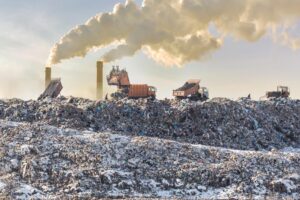
Jessika Roswall— Commissioner for the Environment, Water Resilience and a Competitive Circular Economy in this union— talking about the result bewailed this inability to reach consensus. “I strongly regret that there is no agreement on a new global plastics treaty. If business as usual continues, plastic production will triple by 2060. The EU will remain firmly committed to finding a global solution. Our oceans, our environment and citizens around the globe need it.”
Do plastics form an urgent problem?
Various sources point out the alarming quantity of plastic waste which is produced. UNEP—United Nations Environment Program states “Our planet is chocking on plastic. Today, we produce about 400 million tonnes of plastic waste every year. It is time to change how we produce, consume and dispose of the plastic we use.”
Plastics stand integral to countless industries, including packaging, healthcare, construction, electronics, and automotive; the reason why they abound everywhere. Their versatility, durability, and affordability make them indispensable in numerous applications. UNEP reports “Around the world, one million plastic bottles are purchased every minute, while up to five trillion plastic bags are used worldwide every year. In total, half of all plastic produced is designed for single-use purposes – used just once and then thrown away.”
From the 1950s to the 1970s, only a small amount of plastic was produced—around 25 million metric tons. Plastic waste was then relatively manageable. Between the 1970s and the 1990s, plastic waste generation more than tripled. In the early 2000s, the amount of plastic waste generated rose more in a single decade than it had in the previous 40 years.
UNEP explains “We are seeing other worrying trends. Since the 1970s, the rate of plastic production has grown faster than that of any other material. If historic growth trends continue, global production of primary plastic is forecasted to reach 1,100 million tonnes by 2050. We have also seen a worrying shift towards single-use plastic products, items that are meant to be thrown away after a single short use.
Approximately 36 per cent of all plastics produced are used in packaging, including single-use plastic products for food and beverage containers, approximately 85 per cent of which ends up in landfills or as unregulated waste.”
Danger of plastics
According to the United Nations, plastics generated 1.8 billion tonnes of greenhouse gas emissions in 2019 – that’s 3.4 per cent of the world’s total emissions, a number that is set “to grow considerably as the production of plastics is expected to triple by 2060. The rise in plastic pollution is not only extremely harmful to the planet’s biodiversity but also contributes to climate change.
Some 98 per cent of single-use plastic produced today is made of petrochemicals – components derived from oil and gas. The extraction and transport of those fossil fuels, and the manufacturing and disposal of plastics, all create carbon emissions that are responsible for global warming.”
The UN adds that on top of contributing to global greenhouse gas emissions, plastics also damage soil, poison groundwater and harm living creatures. “Plastic waste – whether in a river, the ocean, or on land – can persist in the environment for centuries.
According to the OECD, about 22 per cent of all plastic waste ends up in the environment, much of it in the ocean, harming marine life. Through food, water and packaging, microplastics also end up in our bodies – in our lungs, livers, and kidneys. Two-thirds of all plastic waste comes from single-use and short-lived plastic products.”
UN emphasizes that plastic waste can take anywhere from 20 to 500 years to decompose, and that even then it never fully disappears. “It just gets smaller and smaller [microplastics]. Consider this figure: 8,3 billion tonnes is the total amount of plastic ever made, half of which has been produced in the last 13 years. Microplastics in particular have been found in every corner of the globe, from the peak of Mount Everest to the trough of the Mariana Trench. In fact, it has been estimated that humans ingest a credit card worth of plastic per week!”
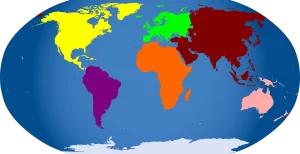
It suggests that people unknowingly consume a quantity of plastic equivalent to the weight or size of a credit card every week, often through food or beverages that are contaminated by micro-plastics. This alarming statement underscores the pervasive nature of plastic pollution in our daily lives and highlights potential health risks associated with consuming micro-plastics.
Health Policy Watch constitutes an organ which reports on leading global health policy challenges and trends, connecting journalists in global North and South on an “independent—independent global health reporting”, non-profit platform. It says that it conducts open-access reporting which serves all stakeholders in the global health policymaking community by enhancing transparency and informed engagement. Health Policy Watch underlines this issue of microplastics.
In its 03/12/2024 story “UN Plastic Pollution Treaty Derailed as Fossil Fuel Nations Block Production Limits”, it says “Microplastics were detected in human blood for the first time this year, heightening research efforts to understand their effects on our health. Scientists have detected plastic particles in human blood, lungs, breast milk, and unborn children.
Research shows that people unknowingly consume about five grams of microplastics weekly through eating, drinking and breathing, while over 3,200 chemicals in plastics have known toxic effects and another 5,000 remain inadequately studied.”
It adds “Researchers have even discovered ‘plasticosis,’ a new condition where microplastics alter cell behaviour in human and animal organs. Global plastic production is set to triple by 2050, even as only 9% of plastic waste [7 billion tons of plastics manufactured to this date] has ever been recycled.”
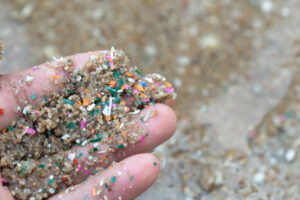
The Guardian in its 24 November 2024 story also underlines the presence of microplastics in human blood. It reports “This year, various researchers found microplastics in every sample of placenta they tested; in human arteries, where plastics are linked to heart attacks and strokes; in human testes and semen, adding to evidence of the ubiquity of plastics and concern over health risks. The plastics crisis is widely recognised as a threat to human health, biodiversity and the climate.”

As already suggested, microplastics can enter both human and animal bodies through various routes, primarily through ingestion and inhalation. Animals in the ocean, such as fish, often mistake microplastics for food. When they consume contaminated prey, the microplastics enter their digestive systems. These particles can accumulate in their bodies, and when humans consume seafood, they can inadvertently ingest microplastics as well.
Microplastics can also be present in foods like salt, honey, and even bottled water, as they can contaminate the food supply during production, processing, or packaging. Drinking water—both tap and bottled—can contain microplastics. Research has shown that microplastics occur several water sources due to contamination from plastics that have broken down in the environment.
Inhalation forms another factor behind microplastics entering our bodies. Microplastics are small enough to become airborne and can be inhaled. They are found in indoor and outdoor environments, especially in areas with high plastic usage or where plastic waste is poorly managed. People living in urban areas or near plastic processing plants might be more exposed to airborne microplastics.
Once microplastics enter the body, they can accumulate in tissues and organs. While some may pass through the digestive system, others may remain, leading to potential health risks, including inflammation, tissue damage, and even effects on the immune system.
The widespread presence of microplastics in the environment, coupled with their ability to enter various organisms, raises significant concerns for human health and the overall ecosystem.
Meanwhile, the Guardian on 24 November 2024 ran a story headlined “World will be ‘unable to cope’ with volume of plastic waste in 10 years, warns expert”. The expert is Norway’s minister for international development, Anne Beathe Tvinnereim.

She is co-chair of a coalition of key “high ambition” nations— led by Rwanda and Norway— wanting plastic pollution tackled over its full life cycle. She pointed out that the world would turn unable to cope with the “sheer volume of plastic waste a decade from now unless countries agree to curbs on production”.
Africa “disproportionately” affected
Heinrich-Böll-Stiftung is a German political foundation affiliated with the Alliance 90/The Greens party. It promotes democracy, human rights, environmental sustainability, and social justice worldwide. The foundation is named after Heinrich Böll, a German writer and Nobel Prize laureate known for his advocacy of human rights and opposition to war and authoritarianism.
In its 24 June 2024 story “The Global Plastics Treaty must address social and environmental injustices across the plastics lifecycle”, Heinrich-Böll-Stiftung says “Growing evidence indicates that as global plastic production escalates, Africa is disproportionately impacted by exposure to plastic’s toxic chemicals and waste which at the end contaminate our food chain and communities. Increased plastic production continues to weaken Africa’s regulations, turning them into hubs for unregulated plastic waste dumping.”
On 8 November 2023, The Guardian published a story entitled “Plastic waste ‘spiralling out of control’ across Africa, analysis shows.” “Predicted 116m tonnes of waste annually by 2060 is six times higher than in 2019, driven by demand in sub-Saharan Africa.” Citing Tearfund, this media house adds that at the current levels, enough plastic waste to cover a football pitch is openly dumped or burned in sub-Saharan Africa every minute.
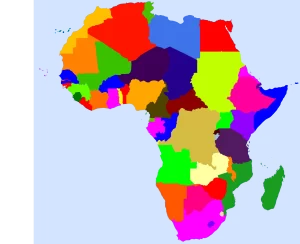
MDPI (Multi-Disciplinary Digital Publishing Institute)— a publisher of open-access scientific journals based in Switzerland published a meticulously detailed article titled “An Imported Environmental Crisis: Plastic Mismanagement in Africa” on 12 January 2024. It reads “Plastic waste pollution leads to more and more leakages and constitutes a dangerous threat to living beings and the ecosystem (toxic substances). Globally, 22% of it [plastic waste] is mismanaged. A large part of this waste ends up legally or illegally in Africa.”
“It is urgent for the international community, in cooperation with the local plastic/textile industries, to establish an effective and well-structured collection system for plastic and textile waste. This will help maximize the collection rate and minimize landfills through recycling. It is also necessary to encourage both the plastic and textile industries to opt for product designs that use easily recyclable materials (eco-design), and this option is crucial.
Africa hardly creates any of its plastics and uses them sparingly for essentials, e.g., storing water. But, Africa has become a dumping ground for the Northern Hemisphere’s (i.e., Europe and the USA) plastic waste in the form of so-called ‘recycled’ clothing and plastic feedstock. After Asia, the African continent is the place where the mismanagement of plastic waste is most widespread and visible.”
Why Rwanda in the nations exhorting to embrace the treaty?
REMA underscores that plastic pollution constitutes one of the most critical environmental challenges globally, with far-reaching consequences on biodiversity, ecosystems, and human health. This agency of Rwanda in charge of the protection of the environment explains that Rwanda’s journey therefore started in 2004 after examining the social and environmental effects of uncontrolled plastics.
“In response, Rwanda adopted a law that banned the production, import, sale, and use of plastic carry bags in 2008. The enforcement of this law led to visible positive changes, including cleaner streets, reduced pollution, and a healthier environment. However, despite these efforts, the challenge of single-use plastics continued to grow. In response, the 2008 law was revised in 2019 to extend the scope and address the growing threat of single-use plastics. The new law prohibiting the production, import, used and sale of single-use plastic.

Despite Rwanda’s progress, plastic pollution – both imported and from neighbouring countries – continues to affect our environment. This highlighted the need for a global solution, as Rwanda’s efforts alone were not enough to tackle the transboundary nature of plastic pollution. Recognising this, Rwanda joined hands with Peru and co-authored a draft resolution aimed at ending plastic pollution globally.”
While individual countries can implement robust policies to reduce plastic pollution within their borders, completely eradicating it requires global collaboration. Plastic waste is a transboundary issue; it travels across oceans and affects ecosystems worldwide. For instance, despite Turkey’s “zero-waste” initiative, it became a dumping ground for European plastic waste, highlighting the challenges of unilateral actions. Therefore, while national efforts are crucial, a comprehensive solution necessitates coordinated international strategies and agreements.
Geneva Environment Network, a global hub for environmental governance, also suggests that no single entity can be able to deal with the issue of plastic waste. “Plastic pollution is a global problem which requires a global response. Considering the breadth and transboundary nature of the plastic crisis, it has become clear that global coordinated action is key to halt further plastic pollution.”
For plastic pollution to be eradicated, it demands the intervention of all governments in the world, plastic manufacturers, businesses, non-governmental organizations, leaders in various spheres—both formal and informal, and necessarily individuals—all citizens of countries.