Jean Baptiste Ndabananiye
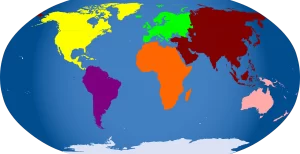
The narratives of our identities in a world increasingly defined by division and conflict can either draw us together or push us apart. We often find ourselves caught in a web of labels—“I am the eldest”, “my family spans two religions”, or “we’ve lost everything to crisis”—that shape how we perceive ourselves and how others perceive us. Yet, beneath these surface identities lies a profound shared humanity that binds us all. As we navigate the complexities of our personal stories, we must ask: what does it truly mean to be human in a world that constantly pressures us to choose sides?
The interplay between our biological and social identities is not just a matter of self-definition; it is a reflection of our collective journey. In times of strife, the amplification of identity can lead to a fractured sense of self, blinding us to the universal truths we share. Let us embark on a journey to explore these complexities, embracing our common values and aspirations in the pursuit of a more compassionate world. Through understanding and empathy, we can foster connections that transcend our differences, creating a tapestry of shared experience that celebrates both our individuality and our unity.
Statements like “I am the eldest”, “my family comprises two religions”, and “my family has lost property due to conflict or crisis” constitute what they call identity. These personal narratives encapsulate the complexities and nuances of who we are. We possess multiple identities that we proudly display or hide, depending on the situation and context we find ourselves in. These parts of our identity gain and lose importance based on where we are and whom we are around, reflecting the fluid nature of self-perception.
Identities are both biologically and socially constructed. We define ourselves through a mix of biological identities like sex, height, or age, alongside socially built identities such as religion, political allegiance, and class. This interplay between the biological and the social illustrates how our identities are shaped not only by our inherent traits but also by the cultures, communities, and environments we inhabit. Our identities evolve, often influenced by our experiences and interactions with others, leading to a rich tapestry of self-representation.
In violent conflict, the identity engaged in the conflict is amplified. One part of a community’s identity is often manipulated and amplified to dehumanize the other and mobilize a group of people to defend themselves against others. This manipulation serves as a powerful tool for those in power, often fostering division and animosity. In such situations, people are coerced into picking one identity over others, stripping away the commonality they share with their fellow beings. For example, they may have to choose being a Christian rather than embracing the more universal identities of being a parent or a fisher. This forced selection can lead to a fractured sense of self and a disconnection from the broader human experience.
Identity forms an essential human need. We all need to feel acknowledged, accepted, and appreciated for who we are. This quest for validation drives numerous individuals to uphold and protect their identities fiercely. Several are even willing to undergo enormous sacrifices, including their lives, to protect their identity, if they perceive it to be threatened. This willingness to sacrifice underscores the deep-rooted significance of identity in shaping our beliefs, values, and actions.
However, despite our uniqueness, there always exist common aspects to our identity. Violent conflict blinds us from seeing our shared identities and the bonds that unite us. These shared identities are often related to our fundamental values and aspirations, even if our inherited or biological aspects of our identity differ. For example, all humans bleed, have red blood, weep, experience pain, and wish to live a fulfilling life. Moreover, we need one another, as our interconnectedness is intrinsic to our survival and well-being.
Furthermore, not only does the Holy Bible assert that we have descended from one ancestral couple—Adam and Eve, but science also does seems to support this notion through genetic research that traces our lineage back to common ancestors. This shared heritage reinforces the idea that, at our core, we are more alike than different. Let’s build on these commonalities to advance humanity— human values, fostering empathy, compassion, and understanding in a world that often emphasizes division.
By recognizing and celebrating our shared humanity, we can cultivate a sense of belonging that transcends individual identities. It is imperative that we embrace our common values and aspirations, standing together against the forces that seek to divide us. In doing so, we not only honor our unique identities but also pave the way for a more harmonious and unified world, where the richness of our diversity is celebrated rather than feared.
Conclusion
In conclusion, the richness of our identities should not be a source of division but rather a foundation for unity and understanding. As we confront the challenges of our time, let us commit to recognizing and celebrating our shared humanity. It is essential to move beyond the labels that confine us and instead embrace the common values and aspirations that connect us all.
Together, we can cultivate a culture of empathy, compassion, and respect, standing firm against the forces that seek to tear us apart. I urge you to engage in conversations that bridge divides, to seek out the common ground that lies beneath our diverse identities, and to advocate for a world where our differences are celebrated as a source of strength.
Let us work together to build a future where every individual feels valued, understood, and connected—a future that honors our unique stories while nurturing the collective spirit of humanity. Join me in this essential endeavor, and together we can pave the way for a more harmonious and inclusive world.
Excellent post however , I was wanting to know if you could write a litte more on this topic? I’d be very thankful if you could elaborate a little bit more. Cheers!
Aw, this was a very nice post. In thought I wish to put in writing like this additionally – taking time and actual effort to make a very good article… but what can I say… I procrastinate alot and on no account seem to get something done.
Thank you so much for the kind words! I really appreciate that, and I totally get what you mean—writing takes time, energy, and focus, and it’s easy to get caught up in everything else. But don’t let procrastination win—push through it with small steps, and you’ll be surprised how much you can get done. Your voice and ideas matter, and the more you show up for them, the stronger they’ll become. I’m cheering you on and looking forward to reading your work when you put it out there!