By Jean Baptiste and Phoibe Mukandayisenga under Life In Humanity and Ishingiro Radio Collaboration
The high cost of housing in Kigali is mirroring a global trend where urban residents face skyrocketing rent prices and limited affordable options. With rental costs starting at 100,000 RWF per month in Kigali, many city dwellers struggle to secure adequate housing, especially as they raise the issue of unstable incomes and scarcity of jobs.
Forced to move to the city’s distant outskirts, some residents find themselves grappling with long commutes to the city where they work casually. As Kigali’s population is set to swell significantly by 2050, the city’s housing crisis forms part of a worldwide urban challenge, where rising living costs and rapid urbanization leave millions struggling to keep pace with urbanization costs. The lack or availability of a housing unit for a person matters considerably. But the leadership of Kigali City states that it is resolved to deal with the problem. The article will explore the subjects below:
- Kigali housing issue and its solution
- Growing housing crisis and cost of living globally
- What’s causing the cost of living crisis worldwide?
- Effects of not owning an affordable residential house
- Housing crisis solution globally?
Kigali housing issue and its solution

The issue of high housing rental prices in the City of Kigali is continuing to weigh upon several residents. They say that the amount of money they are charged for housing is not accessible to everyone, especially as they also express the issue of lack of jobs or stable livelihoods. This is a problem that has not only been raised right now but always highlighted. It has however remained insurmountable.
Kigali City residents affected by the problem, having talked to Mukandayisenga, have underlined that it is impossible for them to rent a house at 40,000 Rwandan francs (RWF) per month, while monthly earning below 50,000 RWF. A key reason that they have provided is that housing isn’t the only aspect on which they have to spend money. Food, clothes for them and their families, mutual health insurance scheme fees also constitute other areas which share their spending.
As a result, they are forced to move to the distant outskirts of the city; which is challenging, but they enjoy no other option, since it is in this city that they find casual work. They underscore that jobs remain unavailable while house rental prices have been elevated, suggesting that house owners should lower the prices for them to afford them. They specify that the cheapest rent starts at 100,000 RWF.

Meanwhile, the leadership of the city states that it is determined to address the issue once and for all. Samuel Dusengiyumva, the Mayor of Kigali City says “The City of Kigali provides between 600 and 800 housing units annually, allocated to people facing various challenges, depending on available resources. However, this approach does not solve the existing problem; we need to find an extraordinary solution to address the housing issue. Not everyone in the city can own a house, but people can rent existing houses that they can afford, and this is where we are focusing our efforts.
It’s difficult to think that we can build houses for everyone, but we can create affordable housing options where people can rent, with everyone– in accordance with their means- feeling included and comfortable, and without risking their safety, whereby a person with a stable salary can purchase an affordable house on loan repayable for over a period of years. This is the goal we are pursuing. We started with 1,000 houses, and we aim to build 10,000 housing units. Additionally, we want to collaborate with the private sector because it is conspicuous that if you invest in the effort, housing units needed in the City of Kigali can be available.”
In Rwanda, statistics also show that the population of Kigali is increasing and that by 2050, nearly 4 million residents are expected to be living in the city of Kigali. The City of Kigali says that its population currently stands at 1,745,555. Meanwhile, the latest population census indicates that 72% of Rwandans possess their own homes, with 22% renting houses to live in. The census shows that in rural areas, a total of 83% own their homes, while 11% are renters. Across all provinces and the City of Kigali, homeownership remains the highest in the Northern Province at 87%, while it is the lowest in Kigali at just 34%. The census further states that in the Capital City of Kigali, over 61% of individual households house tenants.
Growing housing crisis and cost of living globally

The United Nations figures indicate that by 2050, approximately 68% of the world’s population will be living in urban areas. This forms a significant increase compared to the current situation, where urban residents represent about 55% of the global population.
The growing housing crisis is highlighted as a significant concern worldwide, driven by housing shortages and soaring rental costs. According to data from a Statista Consumer Insights survey, housing constitutes the most pressing issue for respondents in the Netherlands. In countries like Canada and Australia, it ranks as the second-most urgent issue, just after the cost of living. Similarly, in the United States, around 40% of people view housing as a major concern, though other issues like inflation, crime, economy, and health and social security are considered even more critical.
The survey by Statista invited respondents to choose from 18 pressing issues currently affecting their countries. The survey was conducted in various countries including Netherlands, Canada, Australia, the United States and France. Statista clarifies that the survey was performed from July 2023 to June 2024 and that out of 18 issues surveyed, 12000-6000 respondents aged from 18 to 64 answered the survey.
In its 7 October 2024 article titled “Housing: A Global Problem” Statista says “Housing shortages and skyrocketing rental prices have become a major source of tension in many countries around the world. According to data from a Statista Consumer Insights survey, the topic of housing is considered the most pressing issue right now in the Netherlands by Dutch respondents.
It is the second most pressing issue after the cost of living in Canada and Australia. In the United States too it is considered a pressing concern for around four in ten people. Issues that ranked higher in the U.S. were inflation, crime, the economic situation and health and social security. Respondents were asked to select which issues they thought were most dire in their country right now, with 18 options in total.”
Housing is a component of the broader cost of living which includes various other expenses necessary for daily life. This is confirmed by Investopedia explaining that the cost of living means the amount of money needed to ensure a certain standard of living by affording expenses such as housing, food, taxes, and healthcare. “The cost of living refers to the money needed for essentials like housing, food, taxes, and healthcare in a specific location and time. It is often used to compare the expenses of living in different cities. Higher living costs, like in New York, require higher salaries for affordability.”
Although the cost of living and housing are related, with housing constituting a component of the overall cost of living, Statista addresses these two topics separately. The way they are presented gives the impression that the two issues are entirely independent of each other. Life In Humanity has not been able to determine why, but we think that in this context the cost of living is likely related to the cost of essential consumables namely food and beverages. When you open the highlighted words “cost of living” embedded in the article, you see the words which hint that by the cost of living, Statista means the consumables as indicated by these words. “Since April 2022, the rising inflation rate has left consumers with surging energy and household bills globally. Annual inflation has soared in major developed countries, with the United States seeing the highest levels recorded in decades.
In June 2022, the U.S. Bureau of Labor Statistics reported an increase of 10 percent in the prices of food and beverages, putting an emphasis on the fact that the last time food prices increased with the same intensity was in May 1981. Since then, inflation on food has calmed down slightly, recorded at the level of 9.2 percent as of February 2023.”
It adds “Addis Ababa, in Ethiopia, ranked as the most expensive city to live in Africa as of 2024, considering consumer goods prices. The Ethiopian capital obtained an index score of 46.7, followed by Harare, in Zimbabwe, with 37.4. Morocco and South Africa were the countries with the most representatives among the 15 cities with the highest cost of living in Africa.”
The World Economic Forum in its 10 June 2024 article “4 practical solutions to the world’s spiraling housing crisis”, citing the UN, highlights “Around 1.6 billion people worldwide lack adequate housing- and this could rise to 3 billion by 2030.”
What’s causing the cost of living crisis worldwide?
Action Aid UK in its 13 November 2023 article says “As in any crisis, there isn’t just one cause or explanation for this situation.” This nongovernmental organization in the story exactly raises the above question. Action Aid UK goes on, saying “The war in Ukraine meant less was available from Russia, so prices rose. Meanwhile, Ukraine is historically a big producer of grain, so this has become more scarce and more expensive. At the same time, climate change is making floods and droughts more severe and more frequent, causing shocks to global supply chains with enormous repercussions for inflation.”
Unemployment and unstable, meager salaries or incomes also contribute significantly to the high cost of living. Unemployment and low wages limit individuals’ and families’ purchasing power. When people do not have stable incomes or are unemployed, they own less money to spend on essential goods and services. This reduced demand leads to higher prices for necessities, as businesses raise prices to compensate for lost revenue.
High unemployment rates mean that many individuals are competing for a limited number of low-wage jobs. This results in a downward pressure on wages, as employers do not feel a necessity to offer competitive salaries to attract candidates. The result is a workforce earning meager salaries, which contributes to the inability to afford the rising cost of living.
Unstable incomes make it difficult for individuals to budget effectively. When incomes fluctuate, people struggle to plan for regular expenses like rent, utilities, and groceries. This instability sometimes begets increased reliance on credit, which further exacerbates financial stress and make living costs appear higher due to interest and fees.
Unemployment and low wages contribute to housing insecurity. Individuals struggle to pay rent or mortgage, leading to increased homelessness or reliance on temporary housing solutions. This creates a demand for lower-income housing, which can be limited, raising prices for available units and increasing the cost of living.

In his report to the UN’s General Assembly last year, Balakrishnan Rajagopal, the Special Rapporteur on the right to adequate housing, stated “The underlying factors driving the affordability crisis are rooted in structural shifts spanning recent decades“. He mentioned rapid urbanization, a decline in public housing and lack of state intervention as some of the causes.
Rajagopal also expressed the financialization of housing as a key to the crisis, saying it had “transformed housing from a fundamental social necessity into an investment tool, stripping it of its intrinsic function to provide secure and dignified living spaces”. Rajagopal, here, was highlighting that the trend of treating housing primarily as an investment opportunity which has to generate profit through rental income, among others, represents a significant contributor to the housing crisis.
Effects of not owning an affordable residential house
To address this section, Life In Humanity avails itself of various sources including those which deal with the benefits of an affordable residential house and consequences of not having it. Both perspectives help to comprehend the great importance of possessing a housing unit and its implications, when you don’t have it.
The National Housing Conference (NHC) is a nonprofit organization in the United States dedicated to promoting affordable housing and addressing housing-related issues at the national level. The NHC works to bring together various stakeholders, including government officials, housing developers, advocates, and community organizations, to facilitate discussions and collaboration around housing policy and practice.
In 2015, it released an article headlined “The Impacts of Affordable Housing on Health: A Research Summary”. The NHC stated “Housing is well understood to be an important social determinant of physical and mental health and well-being. In the context of ongoing national and state efforts to reform health care, it is important for policymakers to understand the various pathways through which housing affects health.”
The NHC further says that affordable housing mitigates crowding and enables more household resources available to cover health care and healthy food, resulting in better health outcomes. It contends that affordable housing fosters health in various ways. “Stable and affordable housing also supports mental health by limiting stressors related to financial burden or frequent moves, or by offering an escape from an abusive home environment. Affordable homeownership can have mental health benefits by offering homeowners control over their environment.
Affordable housing can also serve as a platform for providing supportive services to improve the health of vulnerable populations, including the elderly, people with disabilities, and homeless individuals and families. Safe, decent, and affordable housing in neighborhoods of opportunity can also offer health benefits to low income households. Overall, the research supports the critical link between stable, decent, and affordable housing and positive health outcomes.”
It adds “Families paying excessive amounts of their income for housing often have insufficient resources remaining for other essential needs, including food, medical insurance, and health care. These tradeoffs can threaten the health of all family members, particularly children.”

Habitat for Humanity Halton-Mississauga (HHHM) is a nonprofit organization operating as a local affiliate of Habitat for Humanity International whose mission is to bring people together to build homes, communities, and hope. It is dedicated to addressing the issue of affordable housing in the Halton and Mississauga regions of Ontario, Canada. HHHM says “Among Canadian homeowners surveyed, 91 per cent say owning their own home is one of their greatest achievements in life.
Beyond marking a considerable accomplishment, owning an affordable home provides a family with many benefits that increase their quality of life in several different spheres. In a Canada-wide survey of Habitat homeowners, we examined how the families’ lives have changed since they found their place to call home. With a little hand-up from Habitat, homeowners are able to achieve the strength and self-reliance needed to build better lives for themselves and their families.” Nevertheless, Life In Humanity has not been able to determine the date when HHHM said this and conducted the survey.
According to HHHM, six meaningful benefits that owning an affordable home brings the family include heightened well-being of children, better school performance in children, children participate more in activities, improved mental health,better health overall, and financial stability. The following quotes elucidate some of those benefits.
“Eighty per cent of the Habitat families surveyed had children living with them at home. There’s a direct link between housing quality and the well-being of children, with research showing that the impact of affordable housing includes positive effects that will follow them throughout the rest of their lives. Much of this increase in well-being stems from boosted confidence. Having a place to call home eliminates frequent moves, meaning fewer school transfers. This allows children to set up a “home base” where they can make friends, develop meaningful connections with their teachers and engage in extracurricular activities.
Habitat homeowners have found that since moving into their new home, their children’s grades have increased, they enjoy school more, have higher rates of attendance and better behaviour while in school. This could be attributed to less transferring between schools and more room within their home for studying.”
In regard to health, HHHM contends that there exist several ways in which living in stable, affordable housing assists to upgrade an individual’s mental health and health in general. “This can include reduced financial stress, improved family dynamics and better physical health. Within Habitat homeowners, 86 per cent said they are happier now than they were before moving into their home. Family life improved for 89 per cent of homeowners. Many also reported feeling more supported as a result of being involved in a wider community with Habitat for Humanity, as well as from building connections with other Habitat homebuyers.
Prior to becoming a homeowner with Habitat, many families lived in housing conditions that posed a risk to their health. Since moving into their new home, 78 per cent of families reported that their health is better now than it was in their previous housing. Over 70 per cent said they’ve experienced fewer colds, flus, allergies and asthma symptoms. With Habitat’s affordable home payments, families have more money left over for other expenses, like food. Eating a balanced diet is greatly beneficial to an individual’s health, and families now have a greater ability to purchase fresh produce and nutrient-rich foods.”
NHC’s article was released around 10 years ago. Life In Humanity has not found the date on which HHHM’s article was published. Nonetheless, Life In Humanity is convinced that nobody can employ this as a pretext to reject the information contained in the articles, arguing that it is too old to be valid today. This is confirmed by UN Habitat saying “Everyone has a fundamental human right to housing, which ensures access to a safe, secure, habitable, and affordable home. UN-Habitat places affordability, sustainability and inclusiveness of the housing sector at the core of the urbanization process to ensure access to adequate housing for all. Housing is more than just a roof; it’s the opportunity for better lives and a better future.”
UN Habitat raises this challenge. “By 2030, UN-Habitat estimates that 3 billion people, about 40 per cent of the world’s population, will need access to adequate housing. This translates into a demand for 96,000 new affordable and accessible housing units every day. Additionally, an estimated 100 million people worldwide are homeless and one in four people live in harmful conditions that [are disruptive] to their health, safety and prosperity.
Access to housing is a precondition for access to employment, education, health, and social services. In order to address the current housing challenges, all levels of government should put housing at the centre of urban policies by placing people and human rights at the forefront of urban sustainable development.”
Housing crisis solution globally?

The World Economic Form with its mentioned article says “There are a number of practical initiatives happening right now to address the global housing crisis. The World Economic Forum’s Framework for the Future of Real Estate provides an action-oriented roadmap for rethinking our approach to buildings, based [on] around four pillars of liveability, sustainability, resilience and affordability.”
Four examples of real-world solutions to the housing crisis, according to the forum, involve community land trusts (CLTs), public-private partnerships (PPPs), low cost construction materials, and 3D-printed houses.
The forum explains that CLTs are non-profit organizations which procure land and draw it from the speculative real estate market, typically through renewable long-term ground leases. “CLT retains ownership of the land, while homes on that land can be rented, owner-occupied, or cooperatively owned. Any profits from the housing are reinvested into the community rather than going to private developers or landlords.
The aim with CLTs is to ensure permanent affordability, with resale restrictions on the units to keep them within the financial reach of people on low and middle incomes. An example of a CLT is Dudley Neighbors Incorporated (DNI) which protects over 30 acres of community-controlled land in the Roxbury and North Dorchester neighbourhoods of Boston, in the United States.”
With regard to PPPs, the forum clarifies “ Affordable housing PPPs are a collaboration between governments and private sector companies to finance, develop and manage affordable housing projects. Typically, the government provides land, development rights and tax incentives or subsidies, while housing developers and investors contribute financing, architectural design, construction expertise and operational management. One example of a PPP to create affordable housing is the Ivanhoe Estate redevelopment in Sydney, Australia”
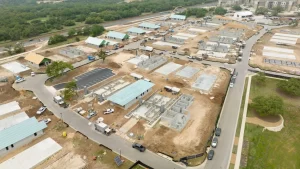
In terms of low-cost construction materials, the World Economic Forum says “ A number of countries around the world are constructing homes from low-cost materials instead of bricks and mortar, to bring down the price of housing and speed up the building process. One such nation is India, where experts estimate there is a housing shortage of 34 million units.”
“Indian government is in the process of constructing thousands of homes using glass fibre reinforced gypsum (GFRG) which combines gypsum, a common mineral, with glass fibres to create a strong yet lightweight panel which can be used for walls, floors and roofs. The cost of constructing a GFRG home can be 20-30% cheaper than that of a bricks-and-mortar property, due to the low prices of gypsum, the reduced need for cement and steel, and reduced labour costs.”
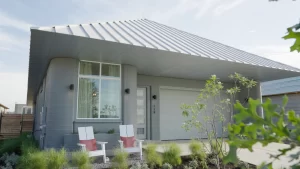
As for 3D- printed homes, the forum explains that the essential structural components such as walls and foundations are constructed using industrial-sized 3D printers which follow a digital blueprint to print the property layer-by-layer using cement, concrete and other building materials.
“After the 3D printing of the core structure, builders add other parts like the windows, plumbing and electrical wiring through traditional construction methods. The main benefits of 3D-printed homes are reduced construction time- printing the foundations and walls can take 24-48 hours- and lower costs as the properties are estimated to be at least 20% cheaper than traditionally built homes.
In Texas, the world’s largest community of 3D-printed homes is being built, with 100 such properties being constructed as part of a wider development in Georgetown called Wolf Ranch. The development is a collaboration between Texan construction firm ICON, homebuilding company Lennar, and Danish architecture practice Bjarke Ingels Group (BIG). The 3D-printed homes range in size from 1,500 to 2,100 square feet, have three to four bedrooms and are being sold at $475,000 to $599,000.”