Once a skeptic of spiritual healing, a prominent physician has become one of its most fervent advocates. Dr. Jeffrey D. Rediger, a well-known Harvard psychiatrist, spent 17 years researching ‘miracle’ cures and now declares, “Western medicine has it all wrong.” He emphasizes that spiritual healing, despite its profound effects, is largely ignored by the medical community; which isn’t however surprising since that was a stance he himself once shared.
Nevertheless, other renowned physicians are now embracing his findings, lending further credibility to the power of spirituality in spontaneous healing. The fact that such a trusted doctor confirms spirituality’s effectiveness represents yet another irrefutable blow to skeptics. Evidence abounds that spirituality and medicine are deeply intertwined, a subject that Life In Humanity will thoroughly address in some of its future articles.
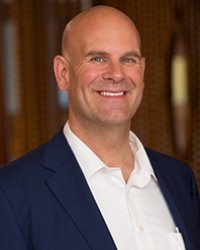
Dr. Rediger’s background and his interest in the field
Founded in 1873 and one of the oldest college newspapers in the United States, the Harvard Crimson is the daily student newspaper of Harvard University. It deals with a wide range of topics involving national and international affairs. On March 10, 2022 it released a story headlined “Dr. Rediger’s Pillars of Spontaneous Healing.” In this article, this newspaper reports that Rediger once said “I grew up going to public school during the day, but living in a very different worldview at home. And so at a young age, I was questioning, ‘how do you reconcile really different worldviews?’”
Rediger obtained a Master of Divinity degree from Princeton Theological Seminary in 1989. Approximately a decade later, in 1997, he was still pursuing his quest to comprehend different belief systems when he graduated from Indiana University Medical School. He explains that the contrasting perspectives of the two types of education which he acquired enabled him to re-assess the world from a more holistic perspective. Paraphrasing him, the Harvard Crimson reports that modern institutions seemed “too deficit-based”, focusing more on what was wrong or missing than on the innate good within a situation. “Psychiatry focused on neurochemical deficits, psychology on childhood deficits, and religion on moral deficits, rather than embracing a more complete picture.”
Dr. Rediger is an assistant professor of psychiatry at Harvard Medical School and Medical Director of McLean SouthEast Adult Psychiatry and Community Affairs.
The Harvard Crimson illustrates that, like other medical practitioners, Dr. Rediger initially disbelieved spiritual healing. “In his training as a doctor, Jeffrey D. Rediger learned to be skeptical of spontaneous healing. So when his colleague at Massachusetts General Hospital told him she managed to achieve cancer remission after a stay at a holistic healing center, he considered her recovery a fluke.” The latter word means a chance occurrence, an accidental event or a coincidence.
In the 2000s, he began meeting issues that fascinated him to the extent that he eventually opted to meticulously examine this mystery in a bid to comprehend its anatomy. The Harvard Crimson states “In the early 2000s, he kept encountering more patients whose cases intrigued him. For instance, a woman named Jan Shaw managed to heal from late-stage lupus and multiple organ failure.” “People wouldn’t recognize her anymore because she had so fundamentally changed in her appearance and way of living,” Rediger remembers. “I [was] talking to a happy, healthy woman.”
It was in 2003 that he decided to gather and scrutinize these cases to better fathom reasons behind these spontaneous recoveries. “Although I was able to fit most of those stories into the worldview that I’d been trained in as a physician, some of them I couldn’t,” he said.
The Washington Post in its March 6, 2020 story says “Sometimes things happen in medicine that astonish doctors.” This quote derives from these cases narrated by this media house.

A young man in Colorado was tested stage 4-brain cancer positive in the past. After surgery, he began chemotherapy and radiation but decided that he didn’t have to pass his final few months in misery, and then stopped. Owing to his friend’s suggestion, he moved to a “healing center” in Brazil where he undertook a regimen of spiritual exploration and meditation. Two years later, an MRI indicated that the tumor had disappeared.
Stage 4 brain cancer refers to the most advanced and severe form of brain cancer. At this stage, the cancer is highly aggressive and has often spread to other parts of the brain or to the spinal cord, rendering it very difficult to treat effectively. The term “stage 4” indicates that the tumor is growing rapidly, has invaded nearby tissues, and may be affecting critical brain functions. Stage 4 brain cancers are particularly intense because they often don’t respond well to traditional treatments like surgery, chemotherapy, or radiation therapy.
“A physician in Ohio has a biopsy that reveals idiopathic pulmonary fibrosis, an irreversible disease that always ends in death. Weak and exhausted, she goes on disability. She has to carry a CPAP machine everywhere to force oxygen into her lungs. She starts seeing a faith healer, who is also a physician. He gives her acupuncture and prays over her. She begins to feel stronger, gives up the oxygen, goes back to work. A couple of years later, a chest X-ray shows no evidence she ever had the disease.
A woman in Oregon learns she has pancreatic cancer. She refuses the risky surgery her doctors offer and decides to live her remaining months as well as she can, among friends and family, doing what she loves. Five years later, a CT scan shows her pancreas is clean.”
The Washington Post adds that Dr. Rediger had long been intrigued by these outliers, wondering “What, if anything, did they have in common? How had these people changed their lives after their diagnoses? What caused their immune systems to kick back into action?” So, that’s how he has been drawn into this amazing and mysterious aspect of medicine.
Dr. Rediger’ s 17-year work which has even generated a “compelling” book
The book is called “Cured: The Life-Changing Science of Spontaneous Healing.” Dr. Rediger has written in the introduction of the book “Sounds impossible, right? No wonder doctors dismiss these outcomes — the original diagnosis must have been wrong. The very subject is taboo in mainstream medicine. Faced with recoveries they can neither explain nor replicate, doctors tend to dismiss such cases as flukes, one-offs. It’s as if we’re embarrassed. This compelling book is the result of 17 years spent tracking these people down and verifying their stories.”
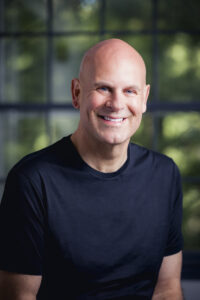
Besides remaining a taboo in conventional media, the subject doesn’t attract many researchers. The Indian Express in its 21 February 2020 article “Explained: Why patients sometimes make ‘miraculous’ recoveries” which has also written about Rediger’s book confirms the issue. It first states “Now and then, a doctor comes across a patient who improves unexpectedly from a disease that usually progresses, such as cancer, and at times is even cured. This is called spontaneous healing.”
“In their 1966 book ‘Spontaneous Regression of Cancer’, W H Cole and T C Everson defined it (in cases of cancer) as ‘the partial or complete disappearance of a malignant tumour in the absence of all treatment, or in the presence of therapy which is considered inadequate to exert significant influence on neoplastic disease. Such cases notwithstanding, the medical fraternity is often sceptical and takes ‘miraculous’ recoveries as flukes. Very few study such cases such or take them into account when treating patients.” According to The Indian Express, among these very few researchers features Dr. Jeffrey.
A neoplastic disease is a condition characterized by the abnormal and uncontrolled growth of cells, leading to the formation of a neoplasm (commonly known as a tumor). Neoplastic diseases encompass a wide range of conditions, both benign (non-cancerous) and malignant (cancerous). These diseases can affect virtually any part of the body and vary significantly in their behavior, treatment, and prognosis (disease outcome prediction). Malignant neoplastic diseases, or cancers, pose significant health challenges due to their ability to invade and spread, necessitating comprehensive medical intervention to manage and treat effectively.
The Washington Post says that Dr. Rediger initially thought that he would face harsh criticism and skepticism. It however adds that he might have been emboldened by his childhood background. “He knew ridicule might follow any serious study of ‘miracle’ cures, but he was ready for that, too. Raised in an Amish family (but not in an Amish community) in Indiana, he endured the pain of being different. He says he also endured childhood abuse at home. Perhaps those experiences gave him the courage to take on a subject so fraught.”
An Amish family or community keeps Amish values which refer to the core beliefs and principles that guide the Amish community, a Christian group known for its simple, traditional way of life. Key Amish values include simplicity, humility, hard work, family and community ties, religious devotion and separation from modernity. The Collins Dictionary defines the Amish as members of a Protestant sect whose rural way of life is simple and strict.
Simplicity entails a focus on living simply, avoiding material excess, and prioritizing modesty in dress, behavior, and possessions. Humility includes emphasizing humility and avoiding pride, with a strong sense of community over individualism. Hard work involves a commitment to manual labor, often in agriculture or crafts, as a way to sustain the community and honor God. Family and community ties encompass prioritizing family and communal support, with strong interdependence among members of the Amish community.
Religious devotion promotes faith in God and adherence to biblical teachings, often involving a literal interpretation of scriptures. Separation from modernity fosters avoiding modern technology and conveniences such as cars, electricity, and the internet, to preserve their way of life. These values shape how the Amish live, work, and interact with the broader world, maintaining a lifestyle that is largely isolated from modern society.
In spite of all that, Dr. Rediger didn’t begin the work enthusiastically too. The Washington Post clarifies “He began his research skeptically but eventually became convinced, he writes, that Western medicine has missed something essential: it focuses on the disease and not the person. It waits for people to get sick rather than strengthening their immune systems so they won’t become sick.
The mind-body connection is only beginning to gain a foothold in Western medicine, he says. Yet every doctor knows the placebo effect is real; the mind can change what’s happening in the body. Before their recoveries, some of the patients had dreams and visions. You don’t have to buy into a mystical explanation to understand that their brains were telling them something.”
Findings on the spontaneous healing cases and reasons behind
While it has already been indicated that such cases are generally regarded as flukes, Dr. Rediger categorically refutes this concept of flukes. “These were irrefutable, documented diagnoses, which were then followed up — weeks, months, or sometimes years later — by documented evidence of complete remission,” he writes.

The Washington Post reports “Listening to their stories, he came to believe that something had changed in these patients that allowed them to heal. And that there were lessons to be learned. To anyone familiar with health trends, these lessons will not be surprising. They include diet, exercise, stress reduction, social interaction, love, faith and finding your ‘true self’.”
Dr. Rediger has summarized those subjects into four areas or pillars which he boosts as vital components enabling spontaneous healing. He argues that much of our physical reality is created in our minds and that perception changes our experiences, sometimes to the point of changing our bodies. He says “The four pillars of health: healing your immune system, healing your nutrition, healing your stress response, and healing your identity. It’s the perception that creates the thought that creates the feeling. The link between our minds and bodies holds a well of potential when it came to radical healing — even mainstream medicine accepts that our stress levels and thought patterns, for example, can impact our physical health.”
“Everything we put into our bodies — from foods and toxins to thoughts and feelings — can shift immune function at a base level. Illness begins in the soul, and when a healing occurs there, the physical body then ‘catches up’ to this new reality. Chronic inflammation is a superhighway that runs straight to the most deadly diseases out there. Chronic inflammation comes from how we think, how we feel, how we live. Recent research is showing that we actually have three ‘brains’ — the head brain, heart brain, and gut brain — and our health and development depend on keeping them in balance and alignment. Some signals begin in the gut, or the heart, and flow upstream to the head brain, while others cascade from above. In this way, our thoughts and emotions have both instant and long-lasting effects on all our biological systems: nervous, endocrine, immune.”
Meanwhile The Washington Post says that those four spheres are laid out in his best-selling book “Cured: Strengthen Your Immune System and Heal Your Life”. The Harvard Crimson provides more clarifications on the four pillars, a focus placed upon their role in spontaneous healing. “Rediger points to many of these factors to explain cases of spontaneous healing. He’s careful to note that he adopted stringent criteria for the cases he studied. He only studied cases where there had been a clear medical diagnosis and cure that could not be explained by external factors like the patient’s taking experimental medicine. It is from these cases that he formulated his four pillars of healing and wellbeing.”
“Rediger argues that the typical American diet is filled with high quantities of refined sugars and enriched flours which are toxic to the human body. The second pillar asks people to strengthen their immune system; due to poor nutrition and stress, many people endure chronic inflammation which weakens their immune responses. The third pillar focuses on minimizing chronic stress. And the fourth and most important pillar is the factor which motivates people to abide by the other three pillars: prioritizing one’s health. Rediger calls this ‘healing our identity, healing our false beliefs’.”
In a world where conventional medicine often focuses on symptoms and quick fixes, the idea of fostering an environment conducive to healing bears profound significance. Dr. Jeffrey D. Rediger challenges us to rethink our approach to health, saying “We must create a biological environment in the body and mind that sets the stage for healing. We need to place the extraordinary on the operating table so that we can dissect and learn from it, so that the possibilities for the extraordinary that exist within all of us are illuminated for everyone.”
Rediger writes that chronic inflammation constitutes another overlooked area known to be ‘a superhighway that runs straight to the most deadly diseases out there.’ “Yet how often has your doctor helped you reduce inflammation in your body or even brought it up?” About this aspect, The Washington Post says“The Western diet is cited as a key culprit, continually unleashing inflammation throughout the body, but so is stress.
Early on, he noticed that most of the subjects, facing death, had radically altered their diets — but not all in the same way. Some became vegetarians, yes, but others ate meat with abandon. One British man, having read about another cancer patient who had recovered, went on a strict ketogenic diet — high fat, low carbs — and his Stage 4 brain tumor shrank. These diets were designed by the patients. They ate foods that made them feel good or foods they had read would help them heal. Deep into his research, Rediger confides, he eliminated sugar and processed food from his own diet and lost 40 pounds. ‘I have a completely different body,’ he writes.” “It’s nearly impossible for me to get ill any longer.”
“Eat meat with abandon” means to eat meat freely, without concern or restraint. It suggests that the person is consuming meat in large amounts or without worrying about potential consequences, such as health risks since too much meat is said to harm health. The word “abandon” here conveys a sense of carelessness or indulgence. According to the Collins Dictionary, if you say that someone does something with abandon, you mean that they behave in a wild, uncontrolled way and do not think or care about how they should behave.
The concluding part of the above quote signifies that eating meat with abandon has also conduced for some patients to be healed. This highlights that there isn’t a single, universal diet for recovery. While some patients became vegetarians or followed other specific dietary changes, others continued to eat meat liberally and still reaped positive health outcomes. The key takeaway is that the diets were highly individualized, and what worked for one patient might not have worked for another.
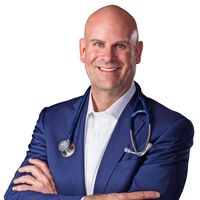
Western medicine is challenged
It is the study during the mentioned years that has prompted him to say “Western medicine has it all wrong.” The Washington Post features these words “Rediger proposes a sweeping overhaul of the practice of medicine, and he makes a darned good case for it. The history he recounts, the clinical trials he cites, the personal stories of people with real names lend his argument the force of a hurricane. When I finished the book, I ordered copies for friends and changed my grocery list.
As a messenger, Rediger has the right credentials. Besides teaching at Harvard, he is the medical director of McLean SouthEast adult psychiatry programs and of community affairs at McLean Hospital, a renowned psychiatric institute in Massachusetts. He also holds a master of divinity degree from Princeton Theological Seminary, and his compassion permeates the pages of this book.” Yet, the article doesn’t clearly indicate a person who has articulated those words. However, the mention of this reader ordering copies of Rediger’s book for friends and changing their grocery list signifies the impact of Rediger’s work. It implies that his insights bear the capacity to lead to tangible changes in people’s lives and choices; therefore, validating his statement “Western medicine has it all wrong.”
Dr. Rediger delivers a call to join him in his crusade at the end of his book, demanding a medical system that accentuates health, not sickness. He says “Help us sound the revolution.” As a result, different prominent medical professionals have subscribed to his call, commending his book, among others. The following are some of them with their quotes.
Dr. Mark Hyman, MD, Director of the Cleveland Clinic for Functional Medicine, Author of the #1 New York Times Bestseller ‘The Blood Sugar Solution has said’ declared “Cured is a rare glimpse into the mysteries of human health and disease. Why do some people with incurable disease suddenly heal? This phenomenon has been ignored by medicine rather than investigated. Dr. Rediger finally asks what we can learn from these cases of spontaneous remission and how can we activate the power of the human body using the mind to harness our body’s own healing systems.”
Jill Bolte-Taylor, PhD, Neuroanatomist, Spokesperson for the Harvard Brain Bank, Author of the New York Times bestseller ‘My Stroke of Insight‘ —“I believe Dr. Rediger is the perfect person to write this meaningful and timely book, which shows us a new paradigm of healing from physical illness. His unique documentation of the traits and strategies of individuals who have manifested their own medical recoveries, against all odds, will offer not only hope but also genuine insight to anyone facing a medical crisis.”
Ellen Langer, PhD, Professor of Psychology at Harvard University, Author of ‘Counterclockwise’—“Dr. Rediger’s work adds enormously to the growing body of work willing to take on the medical establishment and show that we may have far more control over our health than most physicians, researchers, and the lay public realize.”
Martha Stark, MD, Faculty, Harvard Medical School—“Packed with pearls of wisdom gleaned from Dr. Rediger’s intensive immersion in the field of remarkable recoveries and from his thoughtful reflections about his own personal journey, Cured will touch the hearts and souls of everyone who reads this book and will inspire them to take charge of their health – and their mindset. This exciting book is bound to be a page- turner for anyone who wants to die from old age – and not before then.”
I am not really wonderful with English but I get hold this very easygoing to read .
Thank you a lot indeed.