By Jean Baptiste Ndabananiye
Cholera, a disease often linked to unsanitary conditions and inadequate access to clean water, continues to ravage communities in some parts of the world, while others have achieved significant strides toward its containment and prevention. This disparity highlights a critical opportunity to understand the factors behind both persistent outbreaks and successful control efforts.
In this article, we delve into the contrasting realities of cholera: examining ongoing struggles faced by high-burden regions and strategies that have generated dramatic improvements in others. By examining the successes and challenges of different countries, we aim to uncover key lessons that can drive global efforts to combat cholera and ensure safe water and sanitation for all. This article rests upon these subdivisions:
- Global picture of cholera
- Causes of cholera, Afghanistan and DRC considered examples
- What enables regions of success to curb this disease?
- Conclusion
Global picture of cholera
The European Centre for Disease Prevention and Control (ECDC) is an agency of the European Union. This center published a document titled “Cholera worldwide overview.” In its monthly update as of 2 September 2024, this center points out that since 30 June 2024 and as of 31 July 2024, 63 372 new cholera cases, including 187 new deaths, have been reported worldwide. “The five countries reporting most cases are Afghanistan (24 951), Yemen (12 825), Pakistan (12 503), Ethiopia (3 491) and Haiti (2 715).
The five countries reporting most new deaths are Yemen (47), Ethiopia (46), Nigeria (28), Haiti (22) and United Republic of Tanzania (11). In addition, 46 016 new cases were reported or collected retrospectively from before 1 June 2024.”

The ECDC further says that new cases have been announced in various countries worldwide. They involve Afghanistan, Bangladesh, Burundi, Cameroon, Comoros, Democratic Republic of Congo (DRC), Ethiopia, Haiti, Kenya, Mozambique, Myanmar, Nepal, Nigeria, Pakistan, Somalia, Thailand, United Republic of Tanzania, Yemen, Zambia, and Zimbabwe. “Since 1 January 2024 and as of 31 July 2024, 312 135 cholera cases, including 2 284 deaths, have been reported worldwide.” New cases and new deaths have been reported in various countries on different continents.
Africa features 12 countries out of 54 nations on the continent. They include Burundi, Cameroon, Comoros, DRC, Ethiopia, Kenya, Mozambique, Nigeria, Somalia, United Republic of Tanzania, Zambia and Zimbabwe. The Americas of 35 countries have two countries only, namely Dominican Republic and Haiti. Asia consisting of 42 nations contains seven countries including Afghanistan, Bangladesh, Myanmar, Nepal, Pakistan, Thailand, and Yemen.
As for Europe with 48 countries, the center says “In 2022, 29 cases were reported by nine EU/EEA countries, while two were reported in 2021 and none in 2020. In 2019, 25 cases were reported in EU/EEA countries. All cases had a travel history to cholera-affected areas.”
ECDC assessment indicates that cholera cases have continued to be reported in Africa and Asia in recent months, cholera outbreaks having also been reported in parts of the Middle East and the Americas. “In this context, although the risk of cholera infection for travellers visiting these countries remains low, sporadic importation of cases to the EU/EEA is possible.”
The World Health Organization [WHO] nevertheless recommends vaccination for travelers at higher risk, like emergency and relief workers who are likely to be directly exposed. Based on the WHO’s recommendation, ECDC says “Vaccination is generally not recommended for other travellers. Travellers to cholera-endemic areas should seek advice from travel health clinics to assess their personal risk and apply precautionary sanitary and hygiene measures to prevent infection.
Such measures can include drinking bottled water or water treated with chlorine, carefully washing fruit and vegetables with bottled or chlorinated water before consumption, regularly washing hands with soap, eating thoroughly cooked food, and avoiding the consumption of raw seafood products.”
ECDC states that its actions include continuing to monitor cholera outbreaks globally through its epidemic intelligence activities, to detect significant changes in epidemiology and supply timely updates to public health authorities. “Reports are published on a monthly basis.”
Causes of cholera, Afghanistan and DRC considered examples
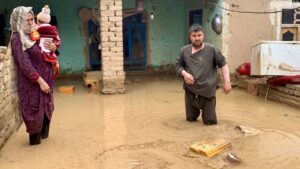
Radio Free Europe/Radio Liberty (RFE/RL) is an international broadcaster. In its 25 June 2024 article, it reports that natural calamities and failing healthcare in the country are to be blamed. “A highly infectious bacterial disease, cholera spreads through contaminated food and water and results in acute diarrhea, fever, and dehydration. If untreated, it can lead to death.
Experts said a series of natural disasters, including floods that devastated swaths of northern and central Afghanistan in the spring and the country’s crumbling health-care system, are behind the sharp rise in cases.”
The date when RFE/RL released the story, Faridullah Omari was working as a physician at the National Infectious Disease Hospital in Kabul. According to this broadcaster, he suggested that the cholera outbreak had been exacerbated by the lack of hygiene and more people drinking unsafe water. “Communities affected by the recent floods, which killed hundreds and impacted tens of thousands of people, said the deluges destroyed much of the water supply and infrastructure in the region. They also said there was a severe shortage of medicines available to treat infectious diseases like cholera,” says RFE/RL.
“People don’t have access to clean water,” Sharifullah, a resident of the northern province of Sar-e Pol which was stricken by floods, told Radio Azadi, according to RFE/RL. He added “All the water is muddy from the floods. But people use this [dirty] water, and they don’t have the means to clean it. So people, especially children, are suffering from diarrhea.”
Khodayaqal, a resident of Baghlan, also then informed Radio Azadi that they were experiencing little access to health-care facilities after “mobile clinics deployed by aid agencies and the Taliban government in the aftermath of the floods left.” He pointed out “Our children are battling with diseases. We have one clinic here, but it doesn’t have any medicine.”
RFE/RL highlights “In its report, the WHO said diminishing stocks of cholera vaccines, as well as population growth, natural disasters, and climate change, have led to cholera outbreaks. The public health-care system in Afghanistan, which was largely funded by foreign aid for nearly two decades, has been in free-fall since the Taliban takeover in 2021. The militants’ seizure of power led international donors to immediately cut financial funding.”
The healthcare system in Afghanistan is facing a dire crisis, sustaining unprecedented challenges, with numerous facilities shutting and critical shortages plaguing those still in operation. RFE/RL states “Hundreds of health facilities have been closed in the past three years, with no funds to pay the salaries of doctors and nurses. Hospitals that are still open suffer from severe shortages of medicine. While some foreign aid organizations continue to operate in Afghanistan, many of them have been forced to curb their work as international funding diminishes.”
A 4 September 2024 article by WHO says “Cholera, an acute diarrhoeal disease that can kill within hours if left untreated, is a disease of poverty affecting people with inadequate access to safe water and basic sanitation. Conflict, unplanned urbanization and climate change all increase the risk of cholera.
Researchers have estimated that each year there are 1.3 to 4.0 million cases of cholera, and 21 000 to 143 000 deaths worldwide due to cholera. Cholera is an acute diarrhoeal infection caused by ingestion of food or water contaminated with the bacterium Vibrio cholerae. Cholera remains a global threat to public health and an indicator of inequity and lack of social development.”
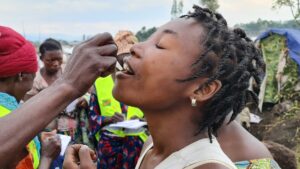
In its 27 October 2023 article, WHO stated that the complex health crisis in the DRC had deteriorated since the beginning of 2023. “In the east of the country, entire villages have been burned to the ground as intercommunal clashes and armed conflict rage, forcing people to leave their homes for their safety and survival. The area has also seen floods and landslides, further increasing the risk of outbreaks of deadly diseases. One of these diseases is cholera.”
“After a few years of declining cases, cholera flared up once again in DRC in 2023, with cases concentrated in the conflict-affected east. Over 41 000 cases, including 314 deaths, have been reported this year, making it one of the largest outbreaks of cholera in the world.”
About the DRC, ECDC highlights “Since 30 June 2024 and as of 28 July 2024, 1 621 new cases, including 9 new deaths have been reported. Since 01 January 2024 and as of 28 July 2024, 21 764 cases, including 307 deaths have been reported. In comparison, in 2023 and as of 15 July 2023, 23 926 cases, including 178 deaths were reported. ”
In response to this problem, the DRC has vowed to eradicate it, with a strategy which WHO calls “an ambitious new plan.” WHO says “Although vaccines are important, eliminating cholera needs many parts of society to work together, with a focus on getting people safe water and well managed toilet systems. The DRC’s new plan to eliminate cholera uses an all-of-government approach.
It aims to mobilize more than 22 key ministries to achieve the goal of eliminating cholera, the drivers of which lie outside the health sector. This approach was welcomed by the Global Task Force on Cholera Control, a global partnership working towards a 90% reduction in cholera deaths and cholera elimination in 20 countries by 2030.” Whether this country’s plan will be achievable or not remains to be seen in the future. But, with commitment converted into action, the country possesses the potential to accomplish it, as even corroborated by some success stories below and factors allowing success in the control of the disease.
What enables regions of success to curb this disease?
The response has already been indirectly addressed, but in clear terms, it is detailed in the WHO article. The answer is in the form of mechanisms which help to eradicate this illness. It signifies that countries successfully controlling it employ those mechanisms. “A multifaceted approach is key to control cholera, and to reduce deaths. A combination of surveillance, water, sanitation and hygiene, social mobilization, treatment, and oral cholera vaccines are used.
Provision of safe water and basic sanitation, and hygiene practices is critical to prevent and control the transmission of cholera and other waterborne diseases. Oral cholera vaccines should be used in conjunction with improvements in water and sanitation to control cholera outbreaks and for prevention in areas known to be high risk for cholera. Cholera transmission is closely linked to inadequate access to clean water and sanitation facilities.”
The WHO underlines the availability of clean water and sanitation as a trustable remedy. “The long-term solution for cholera control lies in economic development and universal access to safe drinking water and basic sanitation. Actions include the implementation of adapted long-term sustainable WASH solutions to ensure use of safe water and basic sanitation and good hygiene practices.”
Will cholera be eliminated decisively?
The WHO says “A global strategy on cholera control, ending cholera: a global roadmap to 2030, with a target to reduce cholera deaths by 90% was launched in 2017.”
Seen that there are countries which have successfully overcome this disease, it strengthens hope that even the struggling countries can also be able to defeat it. Yet, it demands optimal commitment and an enabling environment.
For example, the number of African countries that were suffering cholera in July 2024 has decreased by two. The July 2024 Monthly Regional Cholera Bulletin by the World Health Organization (WHO) indicated that 14 African countries including Uganda and South Africa were facing cholera. But, these two countries don’t feature on ECDC’s list; which signifies that they must have beaten the disease.
Some success stories
Several countries have achieved remarkable strides in controlling and even eliminating cholera. Mayo Clinic is said to be the largest integrated and renowned nonprofit medical organization that provides high-quality healthcare services, including patient care, education, and research in the world. It underlines that cholera seldom occurs in the developed world, while also echoing the main reasons for the prevalence of the disease in the developing world such as Africa. “Cholera is rare in the United States with the few cases related to travel outside the U.S. or to contaminated and improperly cooked seafood from the Gulf Coast waters.
Modern sewage and water treatment have virtually eliminated cholera in industrialized countries. But cholera still exists in Africa, Southeast Asia and Haiti. The risk of a cholera epidemic is highest when poverty, war or natural disasters force people to live in crowded conditions without adequate sanitation.”
The following are key factors which have contributed to these achievements in the successful nations. Robust health infrastructure- the effective disease control of these countries relies on a well-functioning health system capable of timely diagnosis, treatment, and vaccination. Improved water and sanitation-these nations ensure access to clean water and proper sanitation for their populations. Effective vaccination campaigns- oral cholera vaccines have proven to be a powerful tool in controlling and preventing the disease in those countries.
There are people who can argue that it is logical for the developed world to succeed in controlling cholera. However, there even exist developing nations which are improving healthcare systems vital to the control and prevention of diseases including cholera. Rwanda is one of them.
Rwanda exemplifies progress in cholera control amidst challenging conditions. The government has committed to improving access to clean water and enhancing healthcare infrastructure in general as part of its broader strategy to tackle waterborne diseases like cholera.
In 2024, Rwanda’s Ministry of Infrastructure announced a significant investment aiming to achieve universal access to clean water by this year. This effort includes establishing water treatment plants and expanding supply systems to both urban and rural areas. As of the latest reports, approximately 86% of urban and 72% of rural areas get access to improved drinking water sources.
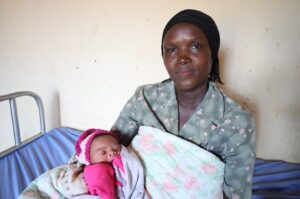
Additionally, Rwanda’s innovative primary health care strategy, which has reduced average walking times to health facilities and expanded the network of health posts, supports timely disease prevention and response. These health posts play a critical role in providing essential care and improving overall public health infrastructure.
Visit Rwanda represents a tourism promotion initiative by the Rwandan government aiming to encourage people to travel to Rwanda. It says “ The country currently operates a well-functioning, decentralized healthcare public service system comprising 1700 health posts, 500 health centers, 42 district hospitals, and five national referral hospitals.
Rwanda also has a vibrant private health services sector, which comprises 2 general hospitals, two eye hospitals, 50 clinics and polyclinics, eight dental clinics, four eye clinics, and 134 dispensaries. There is 1 Joint Commission International-certified hospital and one public medical college producing 100 general practitioners per year. Rwanda plans to expand the provision of better health care and develop medical tourism through the attraction of state-of-the-art and specialized medical facilities.”
This progress demonstrates that even in resource-constrained settings, substantial improvements in cholera and other waterborne diseases control and prevention are accomplishable through dedicated investments in healthcare and water infrastructure.
Conclusion
Conflict, climate change and poverty throughout this article have been reiterated by different sources, as key challenges that need to be dealt with successfully in order to achieve the total control of the disease. In regions plagued by armed conflict, maintaining health infrastructure and delivering medical aid becomes exceptionally difficult. Conflict disrupts vaccination campaigns, impedes access to clean water, and leads to the collapse of health systems, exacerbating the spread of cholera. Climate change sustains significant implications for cholera transmission, as already explained. Poverty remains a major barrier to cholera control. In impoverished communities, access to clean water, sanitation, and healthcare is often limited. The lack of resources and infrastructure in these areas renders it challenging to implement effective cholera prevention and treatment measures.
The goal of eradicating cholera needs to pay attention to those challenges. While the goal of eliminating cholera is ambitious, the progress realized by some countries offers hope that the ambition is achievable. By addressing the multifaceted challenges of conflict, climate change, and poverty, and through continued global commitment and strategic action, it is possible to accomplish significant strides towards eradicating cholera and improving public health worldwide. In other words, for the WHO to realize its ambition in terms of significantly reducing, it demands overcoming all those challenges.