By Editorial Staff
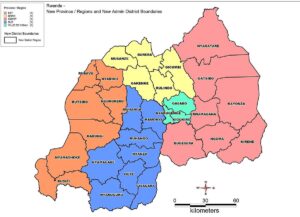
As the world is grappling with rising temperatures and the cascading threats to food security, health, and the environment, Rwanda is stepping onto the global stage as the pioneer of the festival of cooling. From 6th to 10th October 2025, Kigali will host the Festival of Cooling—the world’s first global event dedicated to sustainable cooling and cold-chain innovation. This groundbreaking gathering at the Africa Centre of Excellence for Sustainable Cooling and Cold-Chain (ACES) in Rubirizi will unite farmers, healthcare staff, start-ups, educators, and policymakers to spotlight solutions that keep food fresh, vaccines safe, and communities resilient in a warming world.
While cooling remains one of the most overlooked dimensions in climate debates, its impact could hardly be more tangible: across Africa, up to 40% of food is lost post-harvest due to the absence of cold storage, and countless vaccines and medicines depend on reliable cold-chains to remain effective. Cooling, once viewed as a luxury, has become vital infrastructure for life—linking health, agriculture, and climate adaptation in ways few technologies can.
For Life In Humanity, this festival builds on our earlier coverage in “Sustainable Refrigeration: Tackling Food Loss and Safeguarding Air Quality” where we explored Rwanda’s strides, through organizations like ACES, in clean refrigeration. The strides include the world-first testing chamber measuring refrigeration systems, to assure top environmental performance— with no potential to damage the ozone layer. Yet, as we observed then, mechanisms through which these technologies will concretely combat post-harvest losses and reduce emissions demand deeper investigation. We thus promised that we would come back to this sphere.
Guided by that commitment, Life In Humanity will approach ACES and key stakeholders during this historic event to unpack the technical and practical dimensions of sustainable cooling—revealing how cooling innovations can transform food systems, strengthen livelihoods, and protect the planet, among others. From 7 to 10 October 2020, each day will focus on a different cooling and cold-chain theme.

Basile Seburiko, ACES Rwanda’s Technical Director, points out “Refrigeration is an essential field with wide-ranging applications. It fulfills a crucial role in preserving agricultural produce, preventing losses due to spoilage, supporting medical treatment, and facilitating the import and export of perishable goods like fish. In short, the value of refrigeration is immense—so much so that its full importance is difficult to capture in words.
In the medical sector, refrigeration is essential—for example, vaccines cannot be managed without proper cooling. To remain effective, vaccines must be kept at specific temperatures, with modern vaccines like those for COVID-19 requiring extremely low levels, such as -7°C to -17°C. As technology advances, the need for refrigeration grows.” ACES has been working in Rwanda for five years.
The Health Sector on 7 October 2025
A resource, relating to the cold chain with regard to the health sector, shared by ACES highlights “A broken cold-chain isn’t just a logistical failure. It’s a matter of life and death. From vaccines and insulin to antivenoms and blood supplies, temperature-sensitive health resources depend on reliable cold-chains. Yet across many low and middle-income regions, these systems are weak, fragmented, and energy-inefficient, thereby undermining both trust and outcomes in public health.
This day [07 October 2025] focuses on health professionals, logisticians, facility managers, and system planners, who are closest to the consequences of cold-chain gaps but are rarely included in cooling conversations. This day will elevate their voices, equip them with knowledge, and connect them to innovators who are rethinking how healthcare and cold-chain systems can work in harmony,” explains
This resource further explains how the participants will benefit from this particular day. “How will you benefit from joining our day? Real-world problem-solving: case studies and open forums offer opportunities to explore health cold-chain challenges and co-develop practical solutions. Professional development: gain insights into best practices in medical cold-chains, learn lessons from emergency responses (such as Marburg or COVID-19), and understand advances in temperature monitoring, data logging, and energy-efficient refrigeration for health.
Live demonstrations: See cold storage units powered by solar PV, thermal storage for medical use, and the fast-freezing power of liquid nitrogen. Networking and collaboration: create synergies with health actors, NGOs, donor agencies, equipment suppliers, and R&D [research and development] actors. Policy awareness: engage in roundtables that unpack national and global strategies for health-focused cold chains, including discussions on energy transition and digital tracking systems. Capacity building: access to training opportunities at ACES, exposure to innovations in health cold-chain maintenance, and exploration of GESI-sensitive approaches to health.”
Schools and education on 8 October 2025

As the world is facing escalating climate challenges and growing pressure on food and health systems, the next generation’s understanding of cooling could shape our collective resilience, according to ACES. Yet this center highlights that awareness about one of the most vital but overlooked systems — the cold-chain — remains limited. A resource on the cold-chain in the education sector, shared by ACES, captures this concern vividly. “Does the younger generation understand what a cold-chain is and its impact on vaccines, food and our future? It’s time to plant the seeds of awareness, so that the younger generation doesn’t just inherit the cold-chain, but also leads its transformation.
The transformation of the cold-chain cannot happen without a new generation that understands it, values it, and is ready to innovate within it. Yet today, most students, even in STEM, health, or agricultural studies, complete their education without ever hearing the term cold-chain, let alone recognising its importance to their food, health, climate, and economic futures.”
This message serves as both a call to action and a reminder that the future of sustainable cooling depends on knowledge transfer. Building awareness from the classroom level upward is essential, according to ACES, if the next generation is to become not just beneficiaries of cold-chain innovation, but active drivers of it. Recognizing this, the Festival of Cooling dedicates the day to bridging this educational gap — ensuring that the concept of cooling becomes an integral part of learning, innovation, and aspiration. “This day addresses this foundational gap. By reaching students and educators early, we build awareness of cooling not just as technology, but as a tool for equity and resilience. Schools and universities are where curiosity is sparked, and careers are born.
When young people grasp the role of cooling in the systems around them, they begin to imagine themselves as solution-builders, such as technicians, researchers, policy advocates, and clean energy entrepreneurs.
Teachers and lecturers, too, are critical multipliers. With the right exposure, they can weave cold-chain themes into classrooms, school clubs, science fairs, and student research, laying the groundwork for long-term systemic understanding.”
ACES says that participants in this special day stand to gain a wealth of experiences designed to spark curiosity and inspire action. Through hands-on learning — including interactive experiments, student-led demonstrations, and engaging cold-chain games —, ACES states that learners will explore the science behind refrigeration, clean cooling, and food systems in practical and memorable ways. The day is expected to also encourage creative expression, with quiz competitions, photography exhibits, and even cold-chain-themed songs helping students to connect intellectually and emotionally with the topic.
Beyond learning, the program offers exposure to future opportunities, introducing participants to career pathways in sustainability, engineering, health logistics, and agri-tech through innovation labs and youth testimonials. It also fosters networking and mentorship, giving students the chance to engage with ACES researchers, innovators, and their fellow students — building relationships that can lead to internships and collaborative projects. Ultimately, participants are expected to walk away with a renewed sense of purpose, recognizing their potential to contribute to real-world solutions, particularly those shaping their communities and the planet’s future.
Creatives, Startups and Innovation Hubs on 9 October 2025
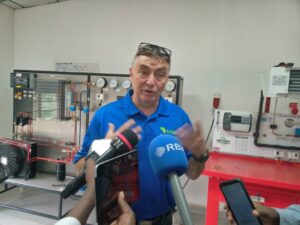
“Do you need a place to share and develop your ‘cool’ cold-chain ideas? The Festival of Cooling is the place for you!” points out a document— creativity, startups and innovation—also shared by ACES, before adding “Solving the cold-chain challenge requires more than just engineers and technicians; it demands bold ideas, entrepreneurial energy, and creative problem-solving. Innovators, startups, and creatives bring fresh perspectives and new tools to the table.
Whether that’s through a smart sensor that monitors vaccine temperatures, a solar-powered refrigeration startup, or a graphic campaign that raises public awareness, we want to hear from you. This day is dedicated to celebrating the intersection between innovation, design, and entrepreneurship, where ideas become prototypes, and prototypes evolve into scalable solutions that improve lives and markets.”
Imagine a space where creativity meets innovation, and ideas about cooling transform into real-world solutions. Here, young innovators gain visibility, mentorship, and hands-on skills, while connecting with a vibrant community that inspires them to tackle big challenges and shape the future — that’s exactly what ACES envisions. “How will this benefit you? Access to support: innovators can connect with accelerators, funders, and technical mentors who can help scale their solutions. Visibility: a dedicated art and innovation exhibition offers a platform for visual storytellers, tech builders, and entrepreneurs to showcase their work to a wide audience, including the media and investors.
Skill building: creative workshops and pitch clinics help young innovators sharpen their ideas and communication skills. Collaboration & community: designers, entrepreneurs, researchers, and creatives cross paths, building a multidisciplinary community. Inspiration: young minds get to see peers like them tackling big problems and succeeding, lighting the path for the next generation of cooling innovators.”
Farmers outreach and high-level stakeholders—last day
“Across much of sub-Saharan Africa and other developing regions, Farmers are losing 20-50% of their perishable produce post-harvest. Not because of poor yields, but due to the absence of reliable cold-chains. Farmers and agricultural cooperatives are the backbone of food security and rural livelihoods. Yet post-harvest losses caused by the lack of cold-chain infrastructure reduce incomes, undermine nutrition, widen gender disparities, and compromise national GDP [Gross Domestic Product]. This day centres on the people who grow our food, Farmers. Join us and explore different cooling technologies, best practices, market linkages, and real-world success stories.
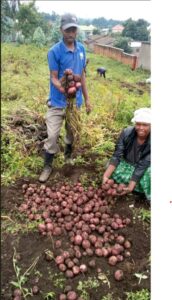
The future of cooling depends on what we decide today. Contribute to shaping policies, finance models and partnerships that will keep Africa’s cold-chain strong, inclusive, and future-ready,” states ACES through documents on both farmers outreach and high-level stakeholders, as far as the refrigeration sector is concerned, before adding “Transforming the cold-chain at scale requires more than technology. It demands vision, leadership, and strong policy action.
This day convenes the architects of systems change: ministers, policymakers, development finance institutions, multilateral agencies, and private sector leaders. These are the players who can enable catalytic investments, embed cold-chain priorities into national development plans, and institutionalise support mechanisms that drive long-term, equitable impact.”
The following is what ACES says the farmers will gain. They will enjoy the chance to see and experience cooling solutions firsthand, from solar-powered cold rooms to pre-cooling units and temperature monitoring tools. Through practical training, participants will learn key post-harvest practices, including how to reduce spoilage, when and how to cool, and how to manage loads effectively to maximize shelf life. The latter one means the period during which a product—such as food or medicine—remains safe, effective, and of good quality before it spoils or deteriorates.
The program also offers insights into financing and market opportunities, introducing options such as leasing, pay-as-you-store, and cooling as a service; while showing how improved cooling access can open doors to high-value markets. Networking sessions will connect farmers with agribusinesses, exporters, input suppliers, and government programs that can help to expand their post-harvest capacity. Finally, participants will hear inspiring success stories from peers who have adopted cold-chain solutions to transform their agricultural ventures.
Meanwhile, the following passage addresses what ACES says high-level stakeholders and policymakers will obtain from the day. They will access strategic insights by engaging directly with innovators, practitioners, and affected communities—enabling them to shape more evidence-based policies and programs. The event also serves as a networking platform, bringing together government officials, donors, researchers, and industry leaders for high-level dialogue aimed at building coordinated strategies and partnerships.
It acts as a launch-pad for commitments, providing a visible stage to announce new initiatives, collaborations, or funding pledges that demonstrate leadership in sustainable cooling and cold-chain advancement. Through data-driven discussions, including panels and case studies, participants will explore concrete, research-backed solutions to inform policy action. Moreover, the day offers visibility and recognition for those championing cold-chain development, helping strengthen their influence and inspire broader engagement across sectors.
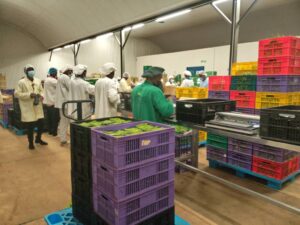
Sustainable cooling refers to providing cooling—such as air conditioning, refrigeration, or cold storage—in a way that meets current needs without harming the environment or depleting resources for future generations. In simpler terms, it means keeping people, food, and medicines cool efficiently, affordably, and with minimal impact on the planet.
In other words, sustainable cooling refers to providing cooling in ways that satisfy human needs while protecting the environment. It emphasizes reducing energy use, using clean power sources, and preventing the release of harmful gases into the atmosphere. For example, when gases from refrigerators or air conditioners escape into the environment, they can be extremely damaging. These gases, known as refrigerants, often contain chemicals such as hydrofluorocarbons (HFCs) or chlorofluorocarbons (CFCs) which trap heat in the atmosphere and contribute significantly to global warming.
Some of these gases are thousands of times more potent than carbon dioxide in their warming effect, and others can also damage the ozone layer that shields the Earth from harmful ultraviolet (UV) radiation. Sustainable cooling therefore promotes the use of climate-friendly refrigerants, efficient technologies, and renewable energy sources to ensure that cooling continues to support health, food security, and comfort without harming the planet.
UV radiation constitutes a type of invisible energy that comes from the sun. While its small amounts are useful—for example, helping the body to produce vitamin D—too much exposure can be harmful. Excessive UV radiation can cause skin cancer, eye damage, and weaken the immune system in humans. It can also harm plants, animals, and marine life.
That’s why the ozone layer in the Earth’s atmosphere stands so important—it acts like a protective shield that absorbs most of the sun’s harmful UV radiation before it reaches the surface. When gases like CFCs damage the ozone layer, more UV radiation penetrates through, increasing these risks. Sustainable cooling therefore assists to safeguard both the climate and living organisms by reducing the release of such harmful gases.
As highlighted in our mentioned article featuring ACES, among others, this organization stands firmly committed to promoting sustainable chilling solutions that protect both people and the planet. ACES figures among institutions continuing to lead efforts toward environmentally responsible cooling practices that decrease harmful emissions while ensuring access to reliable cold-chain systems. In a century defined by climate urgency, the festival could be more than an event—it could be a movement toward smarter survival, reshaping how the world keeps its food fresh, its vaccines viable, and its future cool.