By Jean Baptiste Ndabananiye
I take a moment to remember you, Théophile Dusabeyezu, as I begin writing this piece inspired by your sudden passing and the inspirational life you led. I wish to repeat, “Rest in Peace.” At the same moment of remembrance, I concentrate on the task of penning this reflection. You were healthy and normal until the night of 29 December 2024, at 22h. An hour later, at 23h00, you developed a sudden illness that quickly enfeebled you. You were rushed to a clinic in Ruhango City— in Rwanda’s South— where you lived. However, the clinic could not provide the treatment you needed, and you were transferred to Nyanza District Hospital. By 4h00—just five hours after the illness struck—you had left us at the age of 48.
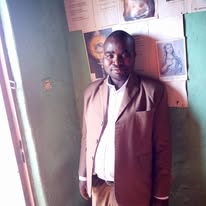 Your death has profoundly cemented two powerful lessons in my heart: (1) to live righteously as though today might be our last, and (2) to work hard as though we shall never die. These universal virtues were not new to me, but your unexpected passing has deepened my understanding and appreciation of them. I had always known that such sudden deaths are possible, especially since my father also passed away suddenly, but his death occurred in the distant past. Before your passing, I felt as though I had not truly experienced such an event firsthand. This is because, since my father’s sudden death, no one else close to me had succumbed so unexpectedly. At that time, I was young—just 15 years old—whereas I am now over forty. Though I intellectually understood my father’s passing, I lacked the maturity and life experience to fully grasp its deeper lessons.
It is true that to understand something, you can learn or hear about it; but to truly feel it, you must experience it firsthand. Moreover, maturity and wisdom are essential to fully appreciate these experiences. Only now, with both, have I been able to fully grasp the lessons which your passing has taught me.
Life is unpredictable. It can change in an instant, catching us off guard and reminding us of our fragility. Such was the case with Dusabeyezu, who was healthy and normal at 22h, going about his day like any other. Yet, despite all efforts, by 4h00, he succumbed to his condition.
Tragically, he was not alone facing such an abrupt fate. On 27 December 2024, another man in my neighborhood experienced a similar turn of events. He woke in the morning with a certain part of his body paralyzed, was quickly driven to the hospital, but by 22h00, I received the heartbreaking news that he had already deceased. I even failed to attend his burial, as I was among those involved in preparing Dusabeyezu’s.
While tragic, the stories of both Dusabeyezu survived by a wife and 5 children as well as the other man offer us profound lessons about how we should live our lives. Dusabeyezu’s legacy, in particular, compels us to value these lessons on which this piece will expound.
Lesson I
The first lesson is the undeniable truth that life is fleeting. It forms a fragile gift that can be taken from us at any moment. This reality actually forces us to live righteously and kindly, as though today were our last day on the Earth. We are reminded of the wisdom in treating every interaction as a potential farewell, of showing kindness and compassion to those around us, and of living in a way that leaves a positive legacy behind. After all, we never truly know how much time— we have— left.
Consider the man in this story. At 22h, he was unaware that his life would take such a drastic turn within the next few hours. I surely know that he carried plans for the next day, weak, month and years— dreams he was working toward. He also bore conversations he had postponed for a more convenient time. I even know most of his plans or projects underway and in the pipeline. This sudden turn of events underscores the importance of not taking any moment for granted. We must live with purpose, cherishing our relationships and striving to render the world a better place for those we encounter.
Living righteously does not mean living perfectly—none of us are without flaws. However, it does mean striving to align our actions with values that promote goodness, fairness, and empathy. It means forgiving those who wrong us, expressing gratitude for the blessings we have, and extending a helping hand to those in need. In doing so, we create a ripple effect that can inspire others to do the same, fostering a community of kindness and compassion.
Dusabyezu’s legacy
Dusabeyezu’s legacy, though marred by the tragedy of his untimely passing, is one that speaks volumes about the impact of kindness, generosity, and human connection. When I first arrived at his former home, after hearing the devastating news, I was met by two men who had been deeply affected by his loss. One, a neighbor and close friend, shared with me “Dusabeye was an extraordinarily kind and sociable man. I don’t know whether I will find another person like him.”
Another man, similarly moved, expressed his sorrow by saying, “Where will I find a job? It is this man who used to provide me with work. How will I live? I don’t really find any path after this man’s passing.”
At the time, I didn’t fully grasp the gravity of their words. I listened, but it wasn’t until the day of the burial that I and other burial participants truly understood the depth of the void left by Dusabeyezu. One of the men who had spoken earlier, in the midst of the grief and confusion surrounding the funeral, took the opportunity to talk again. With a deep sense of loss in his voice, he repeated “I am asking myself where I will find a job again. It is Théophile that used to maintain my life.”
These words echoed in my mind, underscoring the immense role Dusabeyezu played not only as a friend but as a pillar of support for those around him. His kindness wasn’t just a trait; it was a lifeline for those who depended on him, whether for emotional support or practical assistance, like providing work. His death has left many questioning how they will navigate their lives without his presence, but it also serves as a reminder of the profound impact one individual can have on their community. Dusabeyezu’s legacy is now interwoven with the lives of those he touched, and the lessons of kindness, compassion, and generosity that he left behind will continue to resonate with them for years to come.
Among the projects that he harbored was a generous one— to enhance the home of a neighbor family by installing a polished cement floor, among other improvements. On the same day when he contracted the illness, he told the family “I’m soon going to upgrade your house.”
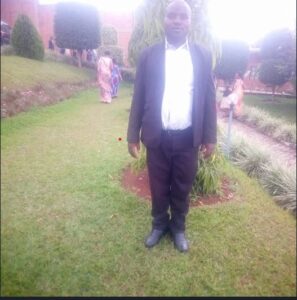 Dusabeyezu’s legacy extends far beyond his immediate circle of friends and family. His influence reached into the educational sphere, where he created a significant impact as a head teacher at a secondary school in Ruhango District. A man of intellect and passion, he held a Bachelor’s Degree in Biology and Education, which he used to shape the minds of several young people. When I spoke with one of his colleagues, he shared, “Ruhango District has lost an exceptionally intelligent man. There are certain areas which we all—educators in the entire district—failed and requested him for support.”
Another colleague echoed these sentiments, saying, “He was moved to our school around three months ago, but we loved him to the maximal level. He was unique.” These words speak to the profound respect and admiration Dusabeyezu garnered in his professional life. His ability to support and uplift his peers, particularly in challenging areas where others struggled, demonstrated not only his competence but his unwavering dedication to the improvement of education in the district.
Dusabeyezu’s legacy is not confined to his local community, nor to the people who knew him personally. It is far-reaching, touching lives in various sectors. His intellect and commitment to education, coupled with his compassionate and giving nature, made him a role model and a vital presence. His passing leaves a gap not only in the hearts of those close to him but in the educational landscape of Ruhango District, where his contributions will be sorely missed. The lessons of kindness, generosity, and dedication to service that he embodied will continue to influence and inspire, carrying his legacy forward.
Lesson II
The second lesson from this story is equally profound: while we should live as though today might be our last, we should also work as though we shall never die. This paradoxical mindset encourages us to embrace a dual perspective on life. On the one hand, we acknowledge its impermanence, which motivates us to live meaningfully in the present. On the other hand, we recognize the importance of building for the future, pouring our energy and effort into endeavors that have lasting impact.
Just as the second lesson emphasizes the balance between living fully in the moment while building for the future, this mindset resonates with the experiences of those who have harnessed the awareness of life’s impermanence to fuel their efforts. The late Steve Jobs, for instance, drew inspiration from one of life’s most feared realities—death—which became a profound source of motivation for him. This represents an unusual yet powerful inspiration in Jobs’ case. His awareness of mortality drove his relentless pursuit of excellence, leaving behind lessons that remain influential even today, more than 13 years after his passing.

As it features in this article— Harnessing your inner voice: lessons from Steve Jobs, Jack Ma, and the Power of Intuition —, he once said “Remembering that I’ll be dead soon is the most important tool I’ve ever encountered to help me make the big choices in life. Because almost everything — all external expectations, all pride, all fear of embarrassment or failure — these things just fall away in the face of death, leaving only what is truly important. Remembering that you are going to die is the best way I know to avoid the trap of thinking you have something to lose. You are already naked.”
Back to Dusabeyezu, the man’s untimely passing also serves as a reminder of the importance of hard work and resilience. While he has not secured chance to complete his earthly journey, his story and legacy challenge us to ensure that our own efforts leave behind a legacy that endures beyond our lifetimes. This might mean creating something tangible, like a business or a work of art, or something intangible, like instilling values in our children or mentoring the next generation.
To work hard like those who shall never die is to approach each day with determination and a commitment to excellence. It means setting ambitious goals and taking consistent steps to achieve them. It means persevering through challenges and setbacks, knowing that the fruits of our labor may not always be immediately visible. It also means contributing to causes greater than ourselves, recognizing that our efforts can benefit others long after we are gone.
Hard work is not just an individual pursuit; it is a collective responsibility that requires collaboration, innovation, and an unwavering commitment to progress.
These lessons are not new, yet they are often forgotten in the hustle and bustle of daily life. The demands of work, family, and personal ambitions can distract us from the bigger picture. We become so focused on our to-do lists and short-term goals that we lose sight of the values and principles that give life its true meaning. This story serves as a wake-up call, urging us to pause and reflect on how we are living our lives.
Living righteously and working hard are not mutually exclusive; in fact, they complement each other beautifully. A life lived righteously is one that prioritizes kindness, integrity, and service to others. A life of hard work is one that values effort, perseverance, and the pursuit of excellence. Together, they create a balanced approach to life that honors both the present moment and the future.
The cultural concepts of “Ubumuntu—Humanity in the sense of kindness or mercy and Ubuntu—meaning the interconnectedness of all peple “I am because we are or humanity toward others“” in Rwanda and South Africa respectively capture this balance perfectly. They emphasize the interconnectedness of all people and the importance of living in harmony with others. It also encourages individuals to contribute to the well-being of their communities, recognizing that their efforts can bring a ripple effect that benefits everyone. By embracing Ubumuntu or Ubuntu, we can live righteously and work hard in ways that uplift both ourselves and those around us.
Dusabeyezu’s death represents a tragedy, but it also stands as an opportunity for reflection. His story reminds us of the unpredictability of life and the urgency of living with intention. It challenges us to be kinder, to work harder, and to strive for a life that leaves a meaningful legacy.
As we deal with our daily lives, let us remember these two lessons. Let us live righteously, treating others with the compassion and respect they deserve. Let us work hard, pursuing our dreams and contributing to the greater good. And above all, let us not wait for moments of crisis to remind us of what truly matters. Life is precious, and every moment offers an opportunity to make it count.
In the words of the poet Mary Oliver “Tell me, what is it you plan to do with your one wild and precious life?” may the story of Dusabeyezu inspire us to answer that question with courage, conviction, and a commitment to living fully and meaningfully, every single day.